BAZA: Identity for Strength and Service
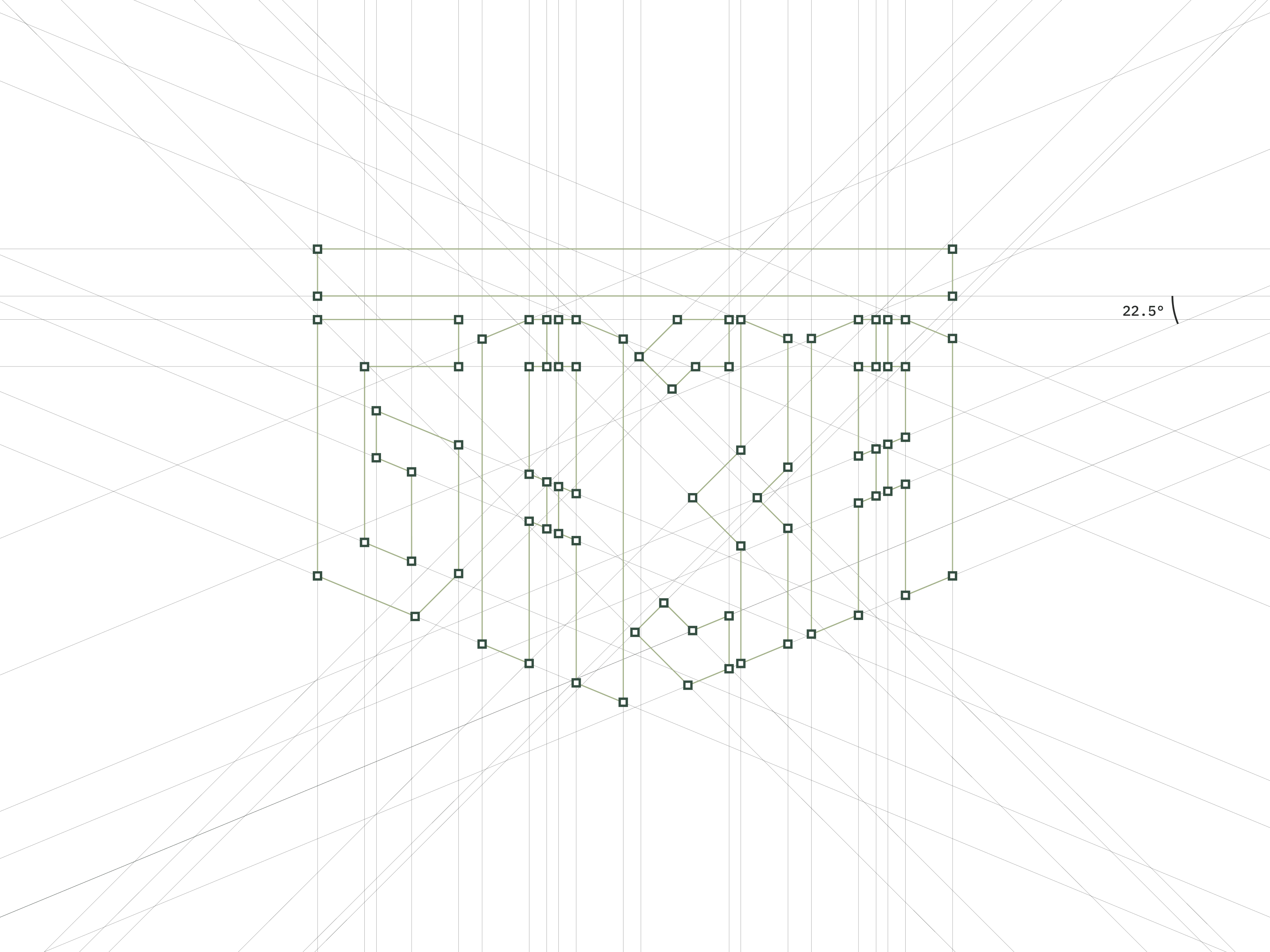
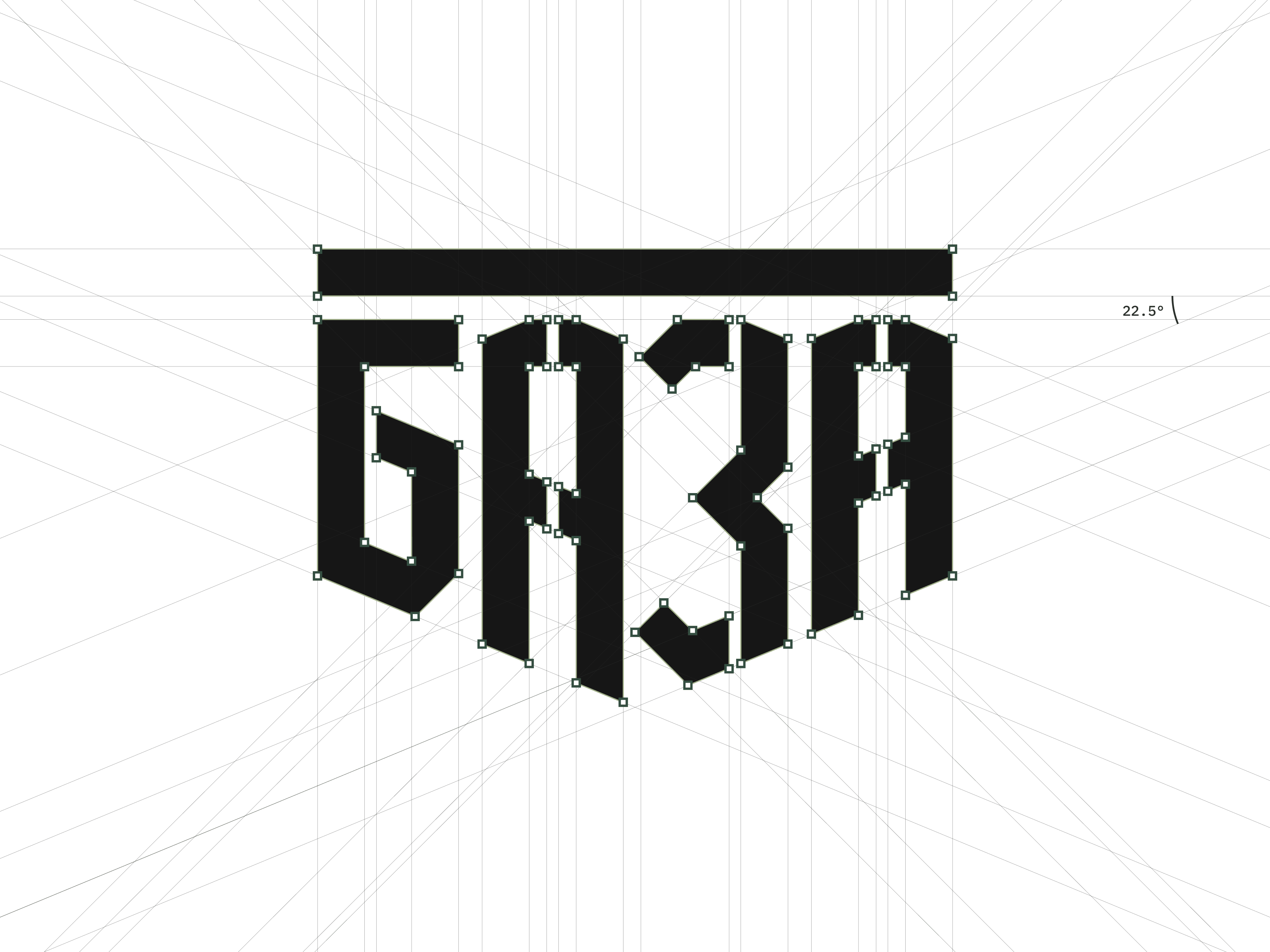
BAZA is an engineered brand identity built on a strict modular grid and 22.5° construction logic. Every element is defined by rules, turning structure into a compact mark designed to perform across real-world applications.
Challenge
Create a mark that feels structural and durable: a sign that can work like a chevron, a signboard, or a label, while staying compact, readable, and consistent across different environments and production contexts. The identity had to communicate discipline and function, with no emotion or decoration.
Solution
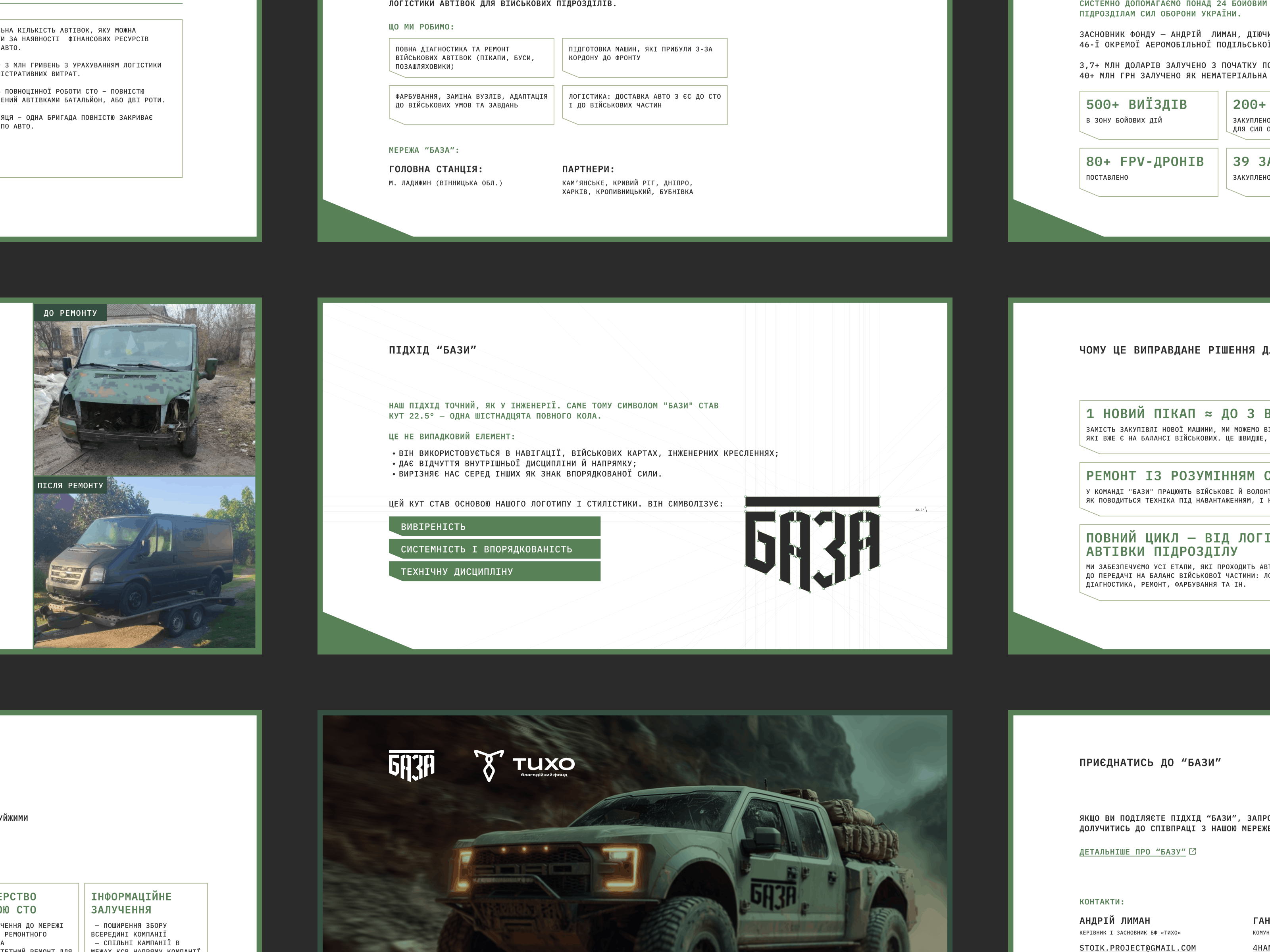
We designed the identity as a construction-first system. The logo was built on a modular grid with strict horizontal and vertical baselines and a defining 22.5° angle that sets the brand’s character. Instead of drawing “by eye,” the form was assembled through rules: points, lines, and coordinates.
A dedicated Latin version of the logotype was developed as part of the system, preserving the same construction logic, proportions, and visual weight across both Cyrillic and Latin character sets. Typography was set in IBM Plex Mono to keep the tone technical and instruction-like. The color system centers on an olive core palette with neutral whites and tactical grays, with clear rules for usage on light and dark backgrounds.

Result
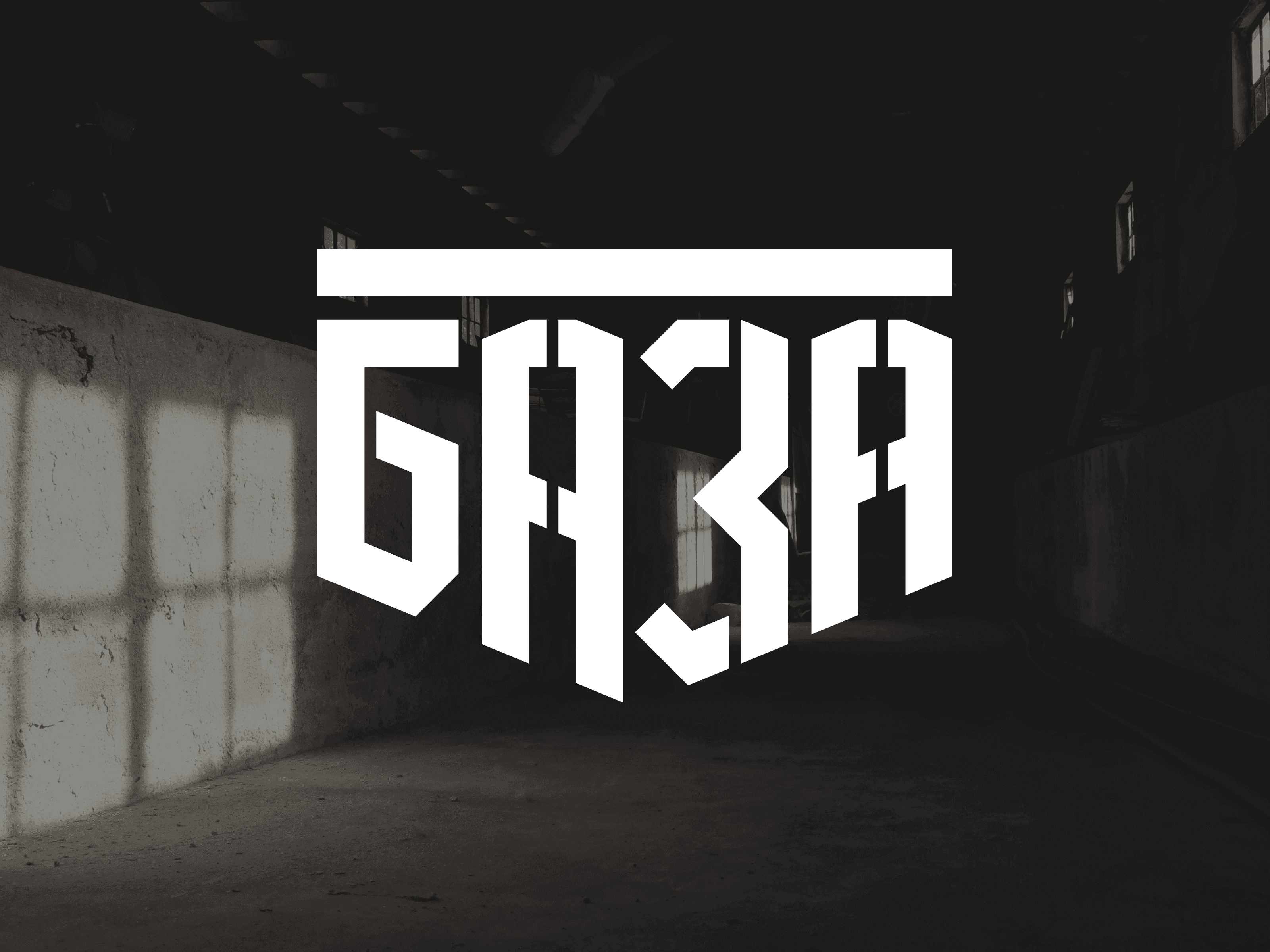
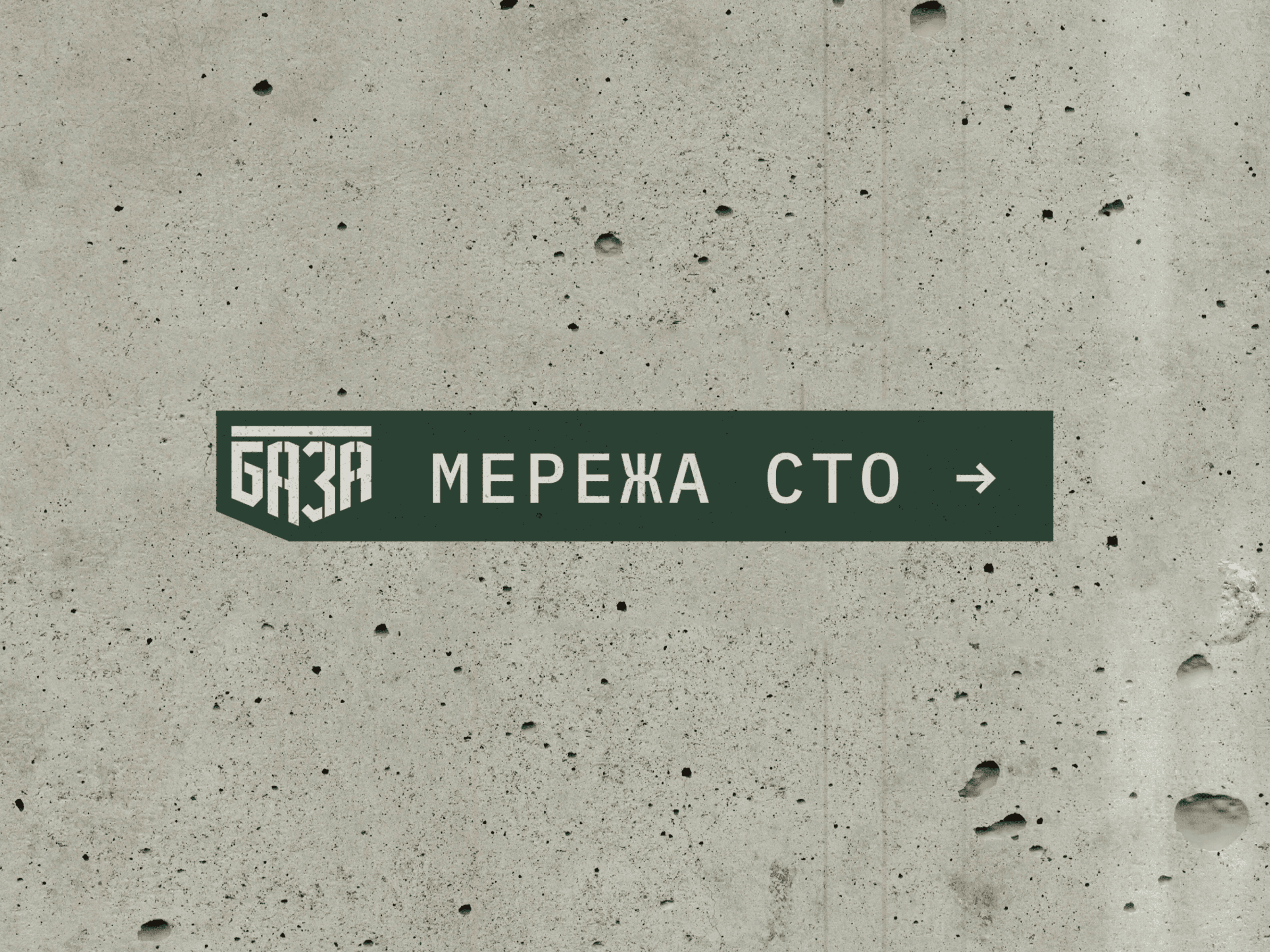
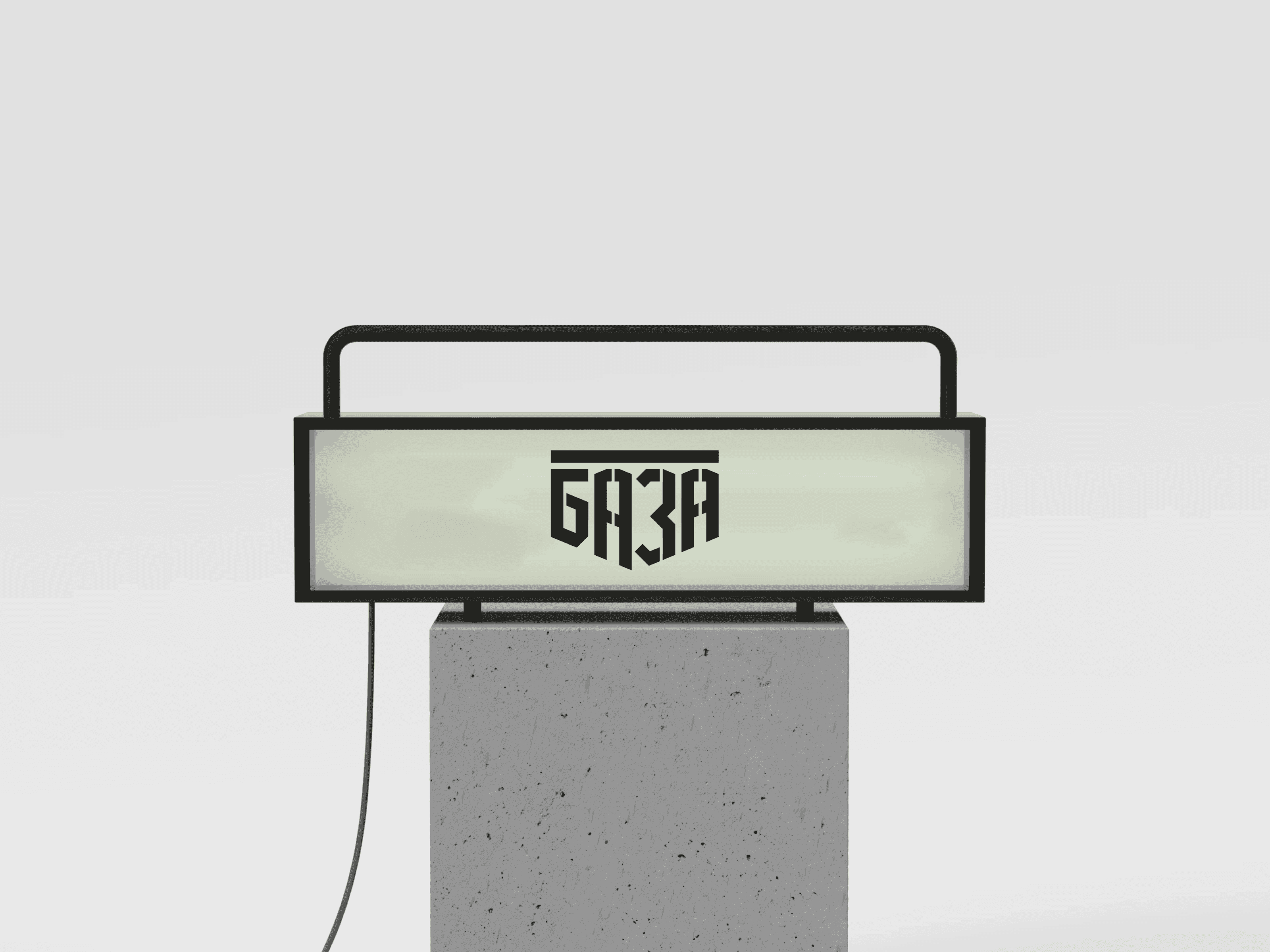
A distinctive, weighty mark that knows its place: clear, compact, and consistent. Because the form comes from logic, it scales reliably across applications (patches, signage, labels, documents, and transport) without losing identity. The system delivers a unified visual language that looks engineered.
Conclusion
BAZA proves that strong identity can be built like an object: with structure, constraints, and repeatable rules. The result is a brand asset that performs across mediums and contexts, grounded in construction logic and technical clarity.
Next case
Dehouse: Brand Identity